
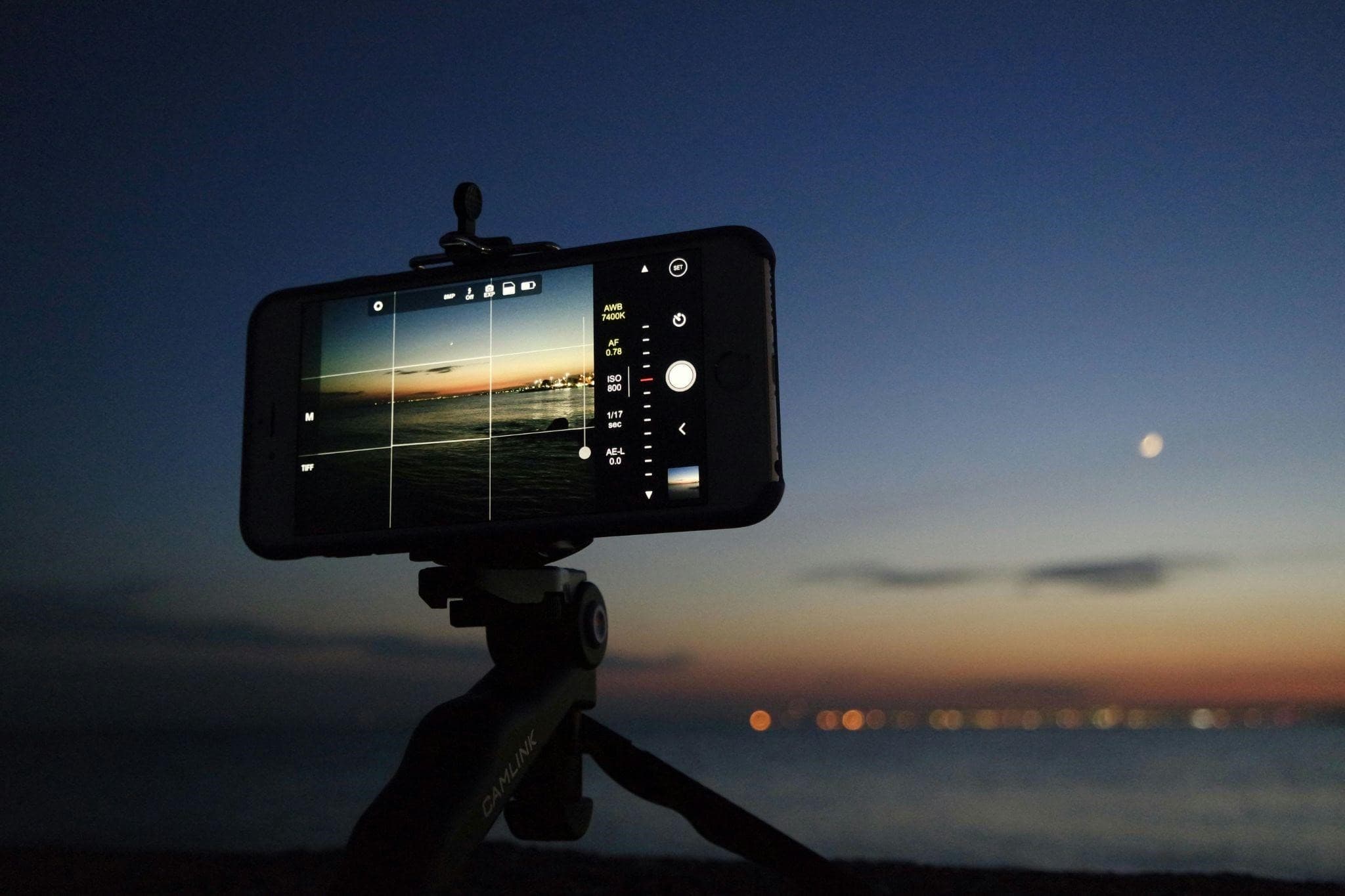
Who says you need an expensive camera and high-end gear to take breathtaking photos? Many legendary photographers started with minimal equipment, proving that skill, creativity, and understanding light matter more than price tags. But how can you make your photos stand out without breaking the bank? The good news is, photography is more about vision than tools. In this guide, we’ll explore ways to capture stunning images while keeping your wallet happy.
The Power of Budget Gear
A common misconception is that professional photography requires professional equipment. In reality, many budget cameras and even smartphones are capable of producing incredible images. The secret lies in understanding your device’s strengths and using them wisely. Here’s a look at some great budget-friendly photography tools:
| Equipment | Price Range | Best For |
|---|---|---|
| Smartphone (iPhone, Pixel, Samsung) | $300-$1000 | Everyday photography, travel, portraits |
| Entry-Level DSLR (Canon Rebel T7, Nikon D3500) | $400-$700 | Learning manual controls, portrait photography |
| Mirrorless Camera (Sony a6000, Canon EOS M50) | $500-$800 | Lightweight travel, street photography |
| Used Professional Camera | Varies | Any photography style at a lower cost |
| 50mm Prime Lens ("Nifty Fifty") | $100-$300 | Portraits, low-light shots |
A smart investment is to buy a second-hand camera or lens. Many photographers sell perfectly good gear at lower prices, making it possible to own high-quality equipment without spending thousands.
Mastering Light and Composition
Great photography isn’t about the gear—it’s about how you use it. Two things separate a mediocre photo from a masterpiece: lighting and composition.
Light Is Everything
Light can make or break an image. Learning how to work with natural light is crucial for budget photography because it eliminates the need for expensive lighting equipment.
- Golden Hour: The hour after sunrise and before sunset creates warm, soft lighting, making any photo instantly more magical.
- Diffused Light: Cloudy days are perfect for portraits, as soft light eliminates harsh shadows.
- Backlighting: Placing your subject between the camera and the sun creates a dramatic, glowing effect.
- DIY Reflectors: A simple white sheet or piece of cardboard can bounce light onto your subject, mimicking a professional reflector.
Composition Makes the Difference
How you frame your shot matters just as much as what’s in it. Even the best camera won’t save a poorly composed photo.
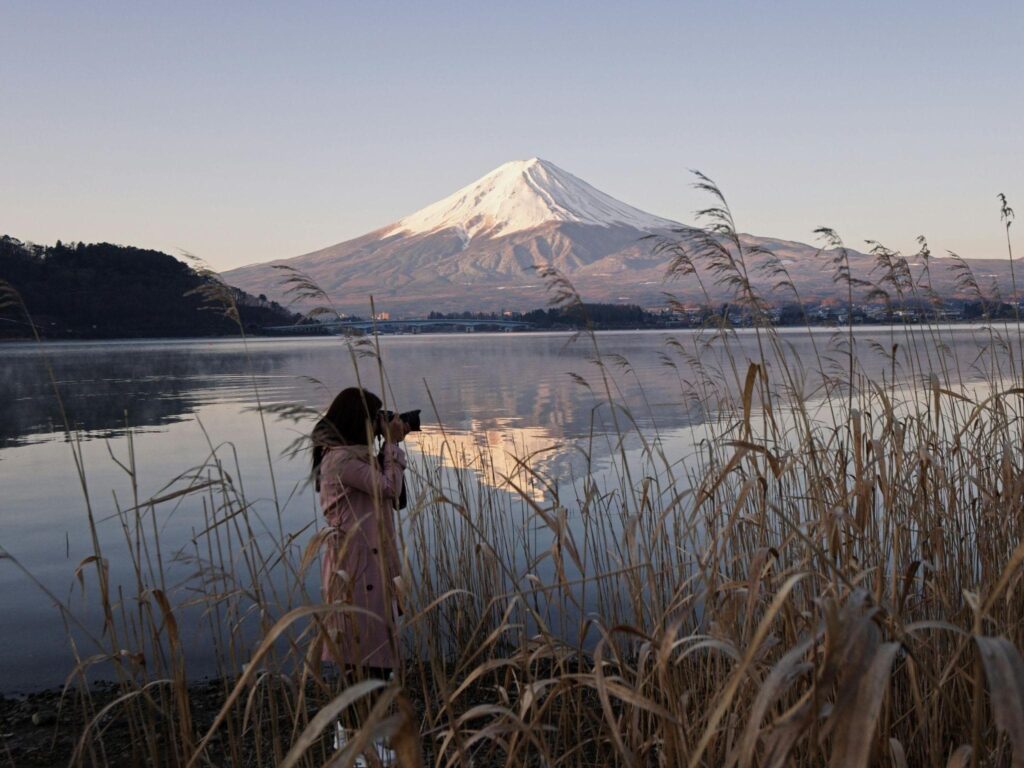
- Rule of Thirds: Divide your frame into nine equal sections and place key subjects along the intersecting lines.
- Leading Lines: Roads, fences, or shadows can guide the viewer’s eye toward the subject.
- Framing: Use doorways, windows, or trees to create a natural border around your subject.
- Negative Space: Sometimes, empty space enhances the subject’s impact.
- Perspective Play: Shoot from low or high angles to add depth and uniqueness.
Creative Budget-Friendly Photography Hacks
If you can’t afford costly accessories, don’t worry—there are plenty of budget hacks to enhance your photos.
- Use a plastic sandwich bag: Placing it over your lens creates a dreamy, foggy effect.
- Try sunglasses as filters: Holding a pair of tinted sunglasses over your lens can create a unique color tone.
- Make a DIY tripod: A stack of books or a stable surface can replace an expensive tripod.
- Use a flashlight creatively: In low light, a flashlight can serve as an artificial light source.
- Experiment with household objects: A CD can create rainbow reflections, and water droplets on a window can add texture.
Stunning photography is within reach for anyone, regardless of budget. Expensive gear won’t automatically make you a better photographer—understanding light, composition, and creativity will. A smartphone or an entry-level camera, combined with knowledge and practice, is enough to produce professional-level images. So, instead of waiting for that dream camera, start shooting today with what you have. Who knows? Your best shot might come from the simplest setup.
FAQ
How can you make a smartphone photo look like a professional DSLR shot?
By adjusting exposure manually, using natural light, and applying subtle editing to enhance details.
What is an unusual but effective way to add texture to a photo?
Shooting through translucent materials like fabric, lace, or even a foggy window can create interesting textures.
Why do some professional photographers still use old cameras?
Older cameras often have unique color profiles and grain that add character, making photos stand out in a world of overly sharp digital images.