
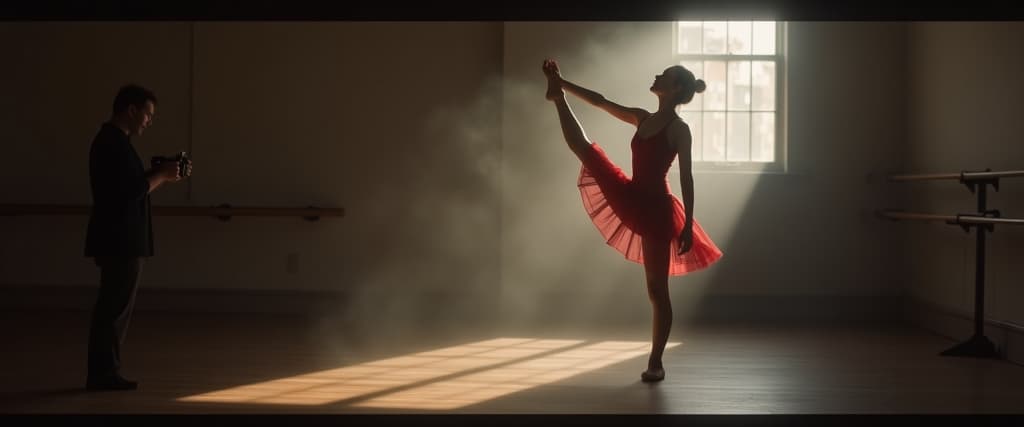
Why more people are getting into art — And why you should too
Art Is Awesome — And Here Are 5 Good Reasons Why
Art is a complex mirror of our inner lives and the world we live in. But what if we stopped thinking of art as something exclusive to "artists"? What if we considered art as an essential part of daily life — a tool not just for expression, but for cognitive, emotional, and social growth? Whether it’s through photography, music, poetry, painting, dance, or even experimental remote viewing, engaging with the arts offers real, tangible benefits. Here are five compelling reasons why incorporating it into your life is not just enjoyable, but essential:
1. You Become Smarter
Paint, dance, sing, sculpt — or just snap photos on your phone. Neuroscience shows that engaging in art activates the brain’s right hemisphere, responsible for imagination, intuition, spatial reasoning, and big-picture thinking. These aren’t just creative traits — they’re vital components of intelligence. Creating art builds neural connections, sharpens perception, and improves the brain’s ability to recognize patterns and solve complex problems.
This isn't just theory. These same mental skills are central to remote viewing — the practice of perceiving distant or unseen information beyond the five senses. In the 1970s, the U.S. military funded research into the phenomenon, working with Ingo Swann, a classically trained artist whose ability to visualize and intuitively decode symbols made him one of the most successful subjects. The takeaway? Artistic training develops rare cognitive strengths — not just creativity, but precision, focus, and abstract insight.
Whether you're sketching or taking photos, you’re not just making something beautiful — you’re literally building a smarter brain. Art enhances how you think. And that's intelligence in action.
2. You Feel Happier
Creativity is increasingly recognized as a powerful tool for emotional regulation and mental health. A 2016 study published in the journal Art Therapy found that 45 minutes of artistic activity significantly lowered levels of cortisol, the stress hormone, regardless of participants’ skill levels or previous art experience.
Photography, in particular, offers a unique way to enter a state of "flow" — a concept coined by psychologist Mihaly Csikszentmihalyi. This meditative state of deep focus is associated with increased happiness, reduced anxiety, and heightened creativity. When you immerse yourself in framing, composing, and capturing a scene, you engage in a moment of presence and clarity. Art functions as therapy. It helps us process complex emotions, gain perspective, and even uncover parts of ourselves we may not fully understand.
3. You Think Outside the Box
Creative practice nurtures what psychologists call "cognitive flexibility" — the ability to adapt your thinking to new and unexpected conditions. This is not just an artistic trait, but a vital life skill. In fact, a landmark 2008 study from Michigan State University found that Nobel Prize-winning scientists were significantly more likely to engage in artistic hobbies than their non-award-winning peers. The implication is clear: creativity in the arts enhances problem-solving ability in science, business, and innovation. Practicing any form of art trains your brain to see multiple solutions, to pivot when faced with challenges, and to value experimentation. These are exactly the skills most valued in leadership, entrepreneurship, and innovation.
4. Art Entertains Us
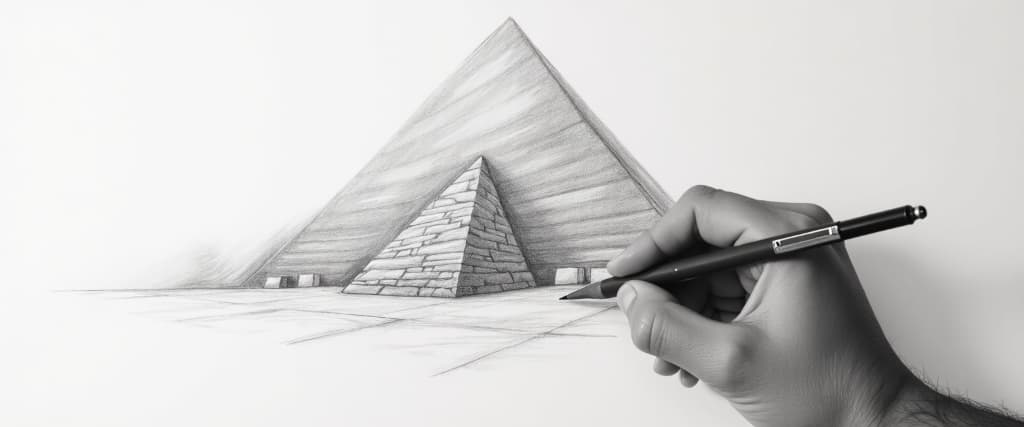
During the COVID-19 lockdowns, global reliance on the arts became impossible to ignore. People turned to streaming services, books, photography, music, and DIY creative projects to maintain a sense of normalcy, connection, and hope. Art is entertainment, yes, but it is also cultural infrastructure. It carries narratives, histories, and values. It allows us to experience different perspectives, question norms, and imagine new possibilities. Even if art provided no cognitive or emotional benefit — which it clearly does — its value as a source of enjoyment and cultural memory would be enough to justify its place in our lives. But the truth is, it gives us much more.
5. Artists Are Confident
Confidence doesn’t come from talent alone — it comes from practice, vulnerability, and the willingness to share your voice. Artistic practice is one of the few realms where trial and error are not only allowed but encouraged. Creating and sharing art boosts serotonin, the brain chemical linked to well-being, confidence, and social bonding. Whether you’re posting your photographs online or reading your poetry to friends, the act of sharing solidifies your sense of purpose and belonging. In schools, art programs have been linked to higher academic performance, stronger student engagement, and reduced dropout rates. For adults, art fosters community, supports mental health, and cultivates a meaningful sense of identity.
In Conclusion
Artists don’t just make things. They see signals in noise. They pull form from chaos. That’s the same territory tapped in high-level practices like remote viewing, flow states, and strategic foresight. In a world built on speed and data, it’s not just the logical mind that wins — it’s the one that sees differently. The future will belong to those who think beyond code and calculation. Those who can read the room, see the angles, trust their gut, and spot the move before it’s obvious. That’s where art comes in. Drawing, sculpting, designing, even photography — these aren’t just hobbies. They’re tools for sharpening perception, training intuition, and unlocking the kind of pattern recognition most people miss.