
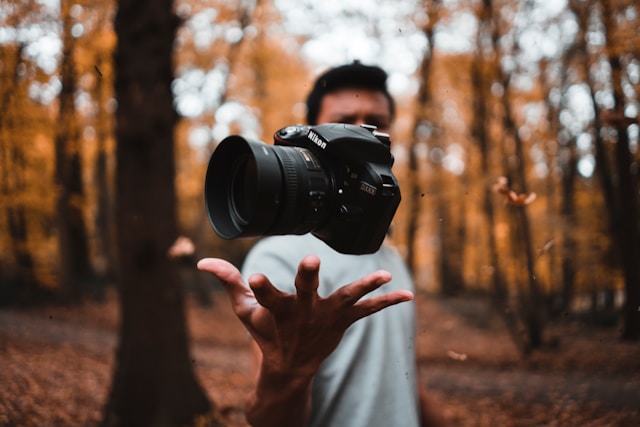
Photography is more than taking great photos. Behind every successful shoot is a collection of cameras, lenses, lighting equipment, props, and business supplies that all need a safe place to live. As many local photographers know, finding enough room at home can quickly become a challenge. Whether you run a full-time photography business or enjoy it as a serious hobby, using a self storage unit in Surrey, BC can help you stay organized while protecting the equipment you've worked hard to build.
Surrey is home to countless parks, beaches, event venues, and neighbourhoods that attract photographers year-round. From wedding sessions at Crescent Beach to family portraits in Green Timbers Urban Forest or commercial shoots throughout Guildford and Cloverdale, local photographers often carry a wide variety of equipment for different projects. Having dedicated storage keeps your workspace tidy and ensures your gear is always ready for the next booking.
In this guide, we'll look at ten photography items that are worth storing, explain why proper storage matters, and share practical tips to help protect your investment.
Why Photographers Benefit from Self Storage
Photography equipment takes up more space than most people expect. What starts with one camera and a couple of lenses often grows into shelves filled with lighting gear, tripods, props, backdrops, and client materials.
Many photographers begin by working from home, but as their business grows, so does the amount of equipment they own. Instead of letting spare bedrooms, garages, or living spaces become crowded, many choose off-site storage to keep everything organized.
Some of the biggest benefits include:
- More room in your home or studio
- Better organization between shoots
- Protection for expensive equipment
- Easier inventory management
- A cleaner and more productive workspace
- Space to grow your photography business
A well-organized photographer spends less time searching for equipment and more time focusing on clients and creativity.
1. Camera Bodies and Backup Cameras
Professional cameras represent one of the largest investments for any photographer. Many professionals also carry backup camera bodies in case something goes wrong during an important event.
When extra cameras aren't being used regularly, storing them properly helps reduce unnecessary exposure to dust, accidental impacts, and clutter around your workspace.
Before placing cameras into storage:
- Remove batteries if storing long-term.
- Use padded camera bags or hard protective cases.
- Attach body caps to keep dust away from internal sensors.
- Store cameras in a dry, clean environment.
Keeping backup equipment protected means it's always ready when you need it.
2. Camera Lenses
Quality lenses often cost as much—or even more—than the camera itself. Wide-angle lenses, telephoto lenses, portrait lenses, and specialty glass deserve extra care when not in use.
Proper storage helps prevent:
- Dust buildup
- Moisture damage
- Scratches
- Fungus caused by excessive humidity
- Accidental drops
Always store lenses with both front and rear caps installed. Keeping each lens inside a padded case adds another layer of protection during long-term storage.
For photographers working throughout Surrey's wet fall and winter months, protecting lenses from moisture is especially important.
3. Lighting Equipment
Lighting equipment quickly fills closets and spare rooms. Studio strobes, LED panels, speedlights, light modifiers, and extension cables all require careful storage.
Organized storage helps prevent:
- Broken bulbs
- Bent mounting brackets
- Tangled cords
- Damaged light stands
- Missing accessories
A simple storage system using labelled containers makes packing for photo shoots much easier.
Consider separating lighting equipment by category:
| Equipment | Best Storage Method |
| Studio lights | Padded carrying cases |
| Softboxes | Fabric storage bags |
| Reflectors | Protective sleeves |
| Speedlights | Small padded organizers |
| Power cables | Labelled storage bins |
This system saves time when preparing for client sessions.
4. Photography Backdrops
Backdrops can take up an incredible amount of room, especially if you photograph families, newborns, products, or corporate clients.
Common backdrop materials include:
- Paper rolls
- Vinyl
- Fabric
- Canvas
Rolling backdrops instead of folding them helps prevent permanent creases. Vertical storage racks or long protective tubes keep them cleaner and easier to transport.
Many photographers also rotate seasonal colours throughout the year, making storage even more valuable.
Instead of filling your home office with backdrop stands and rolls, keeping them in storage leaves more room for editing and client meetings.
5. Photography Props
Photography props are fun to collect—but they also consume space faster than almost anything else.
Examples include:
- Holiday decorations
- Baby baskets
- Vintage furniture
- Artificial flowers
- Product display items
- Seasonal décor
- Wedding accessories
- Blankets and fabrics
Many of these items only come out during certain months or specific client sessions.
For example, Christmas mini sessions may only last a few weeks, yet the props remain in storage for the rest of the year. The same applies to graduation, Mother's Day, Halloween, and spring-themed sets.
Organizing props inside labelled bins allows photographers to quickly swap seasonal collections without overcrowding their studio.
6. Tripods, Light Stands, and Stabilizers
Support equipment often gets tossed into corners after busy shoots, which can eventually damage locks, hinges, or adjustable sections.
Items worth storing properly include:
- Tripods
- Monopods
- Gimbals
- Boom arms
- Light stands
- C-stands
Keeping these items together helps prevent bent components and missing accessories.
Wall-mounted storage may work in larger studios, but photographers working from home often appreciate moving bulky support equipment into a storage unit instead.
7. Drones and Drone Accessories
Drone photography continues to grow throughout Surrey, especially for real estate, construction, and commercial marketing.
Along with the drone itself come several accessories:
- Remote controllers
- Spare batteries
- Chargers
- Landing pads
- Propellers
- Carrying cases
- Filters
When storing drones:
- Remove batteries if they won't be used for an extended period.
- Keep accessories inside labelled compartments.
- Store everything inside the manufacturer's protective case whenever possible.
Good organization reduces the chance of forgetting important accessories before a shoot.
8. Client Albums and Printed Photographs
Digital photography may dominate today's industry, but many photographers still provide printed products that deserve careful protection.
These include:
- Wedding albums
- Fine art prints
- Framed photographs
- Canvas prints
- Display samples
- Portfolio books
Poor storage conditions can lead to:
- Moisture damage
- Warped pages
- Fading
- Dust buildup
- Bent corners
Photographers often keep sample albums for years, making proper storage an important part of maintaining a professional presentation.
9. Seasonal Marketing Displays and Trade Show Materials
Many photography businesses participate in local bridal shows, business expos, and community events throughout Surrey and the Lower Mainland.
These events require marketing materials such as:
- Booth displays
- Retractable banners
- Display tables
- Sample albums
- Promotional signs
- Printed brochures
- Giveaway items
Rather than leaving these large items scattered around your office, organized storage keeps them protected between events.
Having one dedicated location also makes it easier to prepare for upcoming exhibitions.
10. Packaging and Business Supplies
Running a photography business involves much more than taking pictures.
Many photographers keep supplies like:
- Shipping boxes
- Tissue paper
- Branded bags
- Thank-you cards
- Album packaging
- Mailing envelopes
- Business cards
- Office supplies
Buying these materials in bulk often reduces costs, but it also requires additional storage space.
Keeping packaging supplies organized allows photographers to prepare client deliveries more efficiently while keeping their workspace clean.
How to Prepare Photography Equipment for Storage
Simply placing equipment into boxes isn't enough. A few extra steps can significantly extend the life of your gear.
Use Protective Cases
Always store expensive equipment inside padded camera bags or hard-shell cases designed for photography equipment.
Label Every Storage Bin
Clear labels make it much easier to locate equipment before early morning or last-minute photo sessions.
Remove Batteries Before Long-Term Storage
Removing batteries helps prevent corrosion and protects electronic devices from potential damage.
Clean Equipment Before Packing
Dust, fingerprints, and moisture should be removed before storing cameras, lenses, and lighting equipment.
Store Similar Items Together
Keeping categories together saves time.
For example:
- Cameras
- Lenses
- Lighting
- Audio equipment
- Props
- Marketing materials
Create an Inventory List
A digital spreadsheet or mobile inventory app helps track where everything is stored.
This becomes especially useful as your equipment collection grows.
Choosing the Right Self Storage Unit in Surrey, BC
Not every storage facility offers the same features. Photographers should look beyond price and consider how well a facility can protect valuable equipment.
Climate-Controlled Storage
Electronics, lenses, printed products, and delicate photography equipment benefit from stable temperatures and lower humidity.
Climate-controlled storage helps reduce the risk of moisture-related damage during Surrey's rainy seasons.
Reliable Security
Photography equipment can represent tens of thousands of dollars in investment.
Look for features such as:
- Security cameras
- Controlled gate access
- Individual unit locks
- Good lighting
- Secure property access
Convenient Access Hours
Photography schedules rarely follow a standard workday.
Whether you're heading to an early sunrise shoot or returning from a late wedding reception, flexible access makes retrieving or returning equipment much easier.
The Right Unit Size
Choose enough space for today's equipment while leaving room for future purchases.
An organized unit with shelving often provides more usable storage than simply stacking boxes.
A Clean Facility
Dust and dirt are never friends of camera equipment.
A clean, well-maintained storage facility helps protect valuable gear and gives photographers confidence that their equipment is being stored in a professional environment.
Keep Your Photography Business Organized and Ready for Every Shoot
Photography equipment is a significant investment, and protecting it should be part of every photographer's business plan. As your collection grows, keeping everything inside your home or studio can become impractical. Cameras, lenses, lighting gear, props, albums, and marketing materials all require space, organization, and proper care.
For photographers working across Surrey—from Fleetwood and Newton to South Surrey and Cloverdale—having dedicated storage creates a more efficient workflow and frees up valuable workspace for editing, meeting clients, or planning your next session. A well-organized self storage unit in Surrey, BC helps protect your equipment, reduce clutter, and keep every piece of gear ready when inspiration or your next booking arrives.