
You almost got the shot — the laugh, the look, the magic. What if you never missed those moments again? Learn the 1-Second Rule — and start seeing the shot before it happens.
The One Second Rule: How to Catch the Shot Before It Happens
You know the feeling. A gesture, a glance, the flash of a laugh — gone in an instant. Your shutter missed it by a second. Not because you weren't ready, but because you didn’t see it coming. That’s the real difference between a good photo and a great one: timing that feels psychic.
Welcome to the One Second Rule — a mindset and muscle photographers can train to anticipate a moment before it unfolds. This isn’t about autofocus speed or burst mode. It’s about your brain.
Great photojournalists, street shooters, and wildlife pros don’t just react to what’s in front of them. They predict. They read energy, posture, and micro-patterns. They see a photo not when it happens — but a second before it becomes real. And the good news? You can train for this.
What Is the One Second Rule?
In 2025, when AI can correct focus and lenses practically see in the dark, human instinct remains photography’s last great advantage. That’s where the One Second Rule comes in — a mindset, not a setting.
The One Second Rule is a discipline of anticipation — a habit of mentally pre-framing life. It's not a reflex. It’s a read. You scan your surroundings for tension, posture shifts, expressions tightening. You learn to trust the energy around you more than the visuals themselves.
Street and documentary photographers live by this. They don’t wait for the laugh, the leap, the kiss. They see the buildup — and they catch the crest of the wave just as it breaks.
In 2025, with the saturation of real-time imagery, what stands out is not clarity — it’s character. Emotion, story, truth — and those can’t be automated. But they can be anticipated.
This mindset becomes your creative lens. The camera? That’s just the tool. The real work starts one second before the shutter clicks.
Where It Works Best
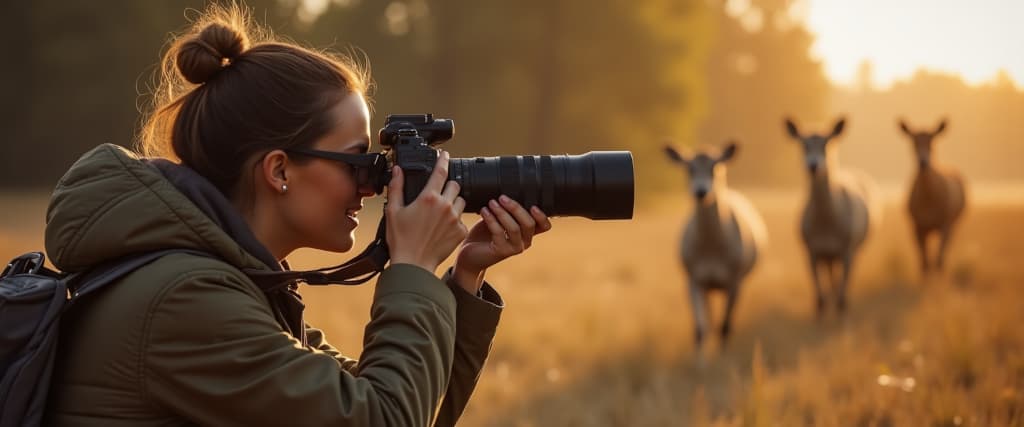
The One Second Rule isn’t niche — it’s universal wherever unpredictability thrives. In street photography, it’s the twitch before a smile, the prelude to conflict, or the shared look between strangers. At weddings and events, it’s the buildup to laughter, the nervous glance, the joyful tear rising just before it falls.
With wildlife, it’s a bird’s pause before flight, or the coiling of a predator before the pounce. And in candid portraiture, it’s the breath right before someone lets down their mask.
These environments don’t wait. They reward anticipation, not reaction. The difference between a snapshot and an iconic frame isn’t equipment — it’s presence. And presence, practiced correctly, becomes foresight.
How to Train Your Inner Shutter
Instinct is a skill. And like any skill, it sharpens with reps.
Drill 1: Walk Without a Camera — Spend 15 minutes a day framing scenes with your eyes only. Watch gestures, interactions, light. Feel the build-up to moments — but don’t capture them. Imagine the frame as it would’ve been.
Drill 2: Pause on Emotion — Watch movies or YouTube clips on mute. Pause just before something big happens. Try to predict expressions, gestures, or shifts. You’re tuning your emotional radar.
Drill 3: Visualization Cueing — Sit still. Close your eyes. Imagine a scene forming — a parent reaching for a child, a cat about to jump. Then open your eyes and see what’s unfolding. This mental “pre-capture” conditions your awareness.
These aren’t hacks — they’re rewiring exercises. You’re not just reacting faster. You’re feeling deeper.
Why It Works
Tech has caught up to your reflexes — AI-driven burst modes, predictive tracking, facial recognition. But it hasn’t yet caught up to your intuition. That’s your edge. When you anticipate, you stop snapping and start seeing. The One Second Rule allows you to embed in the moment. Your photos go beyond sharpness — they carry pulse, tension, breath. You don’t just get lucky. You get ready. And that’s what elevates your hit rate — not in volume, but in soul.
Famous Shots That Beat the Moment
Some of the most iconic photographs in history weren’t reactions — they were premonitions. Think of Steve McCurry’s “Afghan Girl” — not just a portrait, but a split-second where intense eye contact and vulnerability aligned. Or Alfred Eisenstaedt’s V-J Day kiss in Times Square — he noticed the sailor’s body language before the embrace and raised his camera just in time.
Henri Cartier-Bresson, the father of the “decisive moment,” lived by this rule before it had a name. His image of a man leaping over a puddle behind the Gare Saint-Lazare wasn’t luck — it was anticipation, timing, and being emotionally attuned to the rhythm of the street. These moments weren’t caught by chance. They were seen a second early — and that second made history.
Wrap-up
In 2025, anyone can take a sharp photo. But not everyone can take a true one. The One Second Rule isn’t about predicting the future. It’s about being so attuned to the present that the future becomes obvious. The best photographers don’t wait. They feel. They read the room, the energy, the unspoken. Their cameras are not reactive — they’re pre-loaded with awareness.
It’s not about being fast. It’s about being ahead. So the next time you lift your lens, pause. What’s about to happen? If you can feel it coming — congratulations. You’ve caught the moment before it arrives.